
Military Bronze Oxidation and Wax Sealing
Hinesville borders the expansive Fort Stewart military installation. Extensive military sections feature flat bronze plaques. Humid coastal air attacks the bare copper alloy. The moisture accelerates severe metal degradation. Atmospheric pollution eats through the original protective lacquer. Thick green corrosion buries the engraved names. Acidic rain washes the green copper runoff onto the adjacent granite. The runoff stains the porous rock. We execute bronze memorial refinishing. Chemical strippers dissolve the green corrosion. Heavy abrasive blocks cut the raised letters down to the bare metal. Specialized torches heat the plaque. Technicians melt solid wax into the open metal pores. The thick wax barrier blocks ambient moisture.
Transport Soot and Hydrocarbon Degreasing
Heavy armored transport vehicles navigate the local road networks. Diesel engines eject dense airborne hydrocarbon particulate across adjacent burial plots. Ambient humidity locks this industrial exhaust against porous granite monuments. When intense solar radiation flashes this trapped water into vapor, the leftover hydrocarbons bake into an impenetrable, asphalt-like shell. Standard washing protocols ignore this complex chemical bond. Field crews deploy specialized sodium orthosilicate cleaners. The active alkaline formula shatters the heavy lipid structures. Stiff palmyra-stalk brushes scrub the flat horizontal surfaces. Diesel-powered hot-water trailers blast the stone. The black road film washes away. The raw polish emerges. We execute headstone cleaning Hinesville.
Sandy Loam Washouts and Foundation Elevation
Liberty County topography features loose sandy loam. The dirt profile lacks structural density. Severe coastal storm systems deliver massive precipitation. The fast water floods the porous ground. The saturated sand washes away. Heavy granite monuments lose structural support. The upright slabs plunge into the wet mud. We execute cemetery monument foundation lifting. Mechanical gantries hoist the sunken stones. Field crews pack crushed granite ballast into the void. Cast-iron tamper bars compact the rough stone. This aggregate pad establishes a rigid structural footprint. The monument sits flush.
"I highly recommend this service. I live 1100 miles from my parents grave site. I had not visited to clean and care for it in over 10 years. I saw an ad for tending. My message was promptly returned with a phone call that walked me through the process and my choices of colors and services. I requested a specific date for the work to be completed. The work was completed much before the requested date. The bronze markers look like new. A tribute to my parents and grandmother’s memories. An unexpected surprise was the clearing of soil that had accumulated around the markers. I wish every success to this company. "
— Bonnie Eubanks, Tucker, Georgia
Coastal Humidity and Biological Eradication
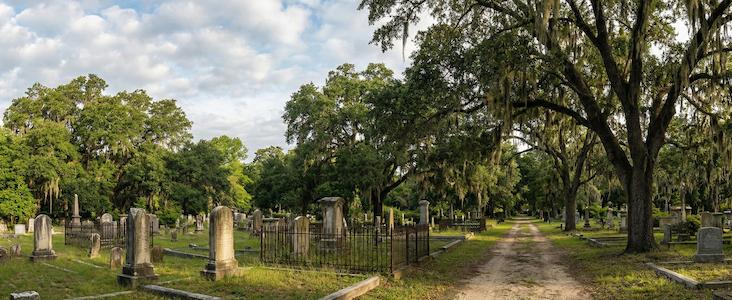
The coastal plain generates dense ambient humidity. Airborne moisture saturates porous granite and marble monuments. The blocked solar radiation under massive oak canopies leaves stone surfaces perpetually damp. This specific environment breeds aggressive biological colonization. Thick black mold and green algae encase the engraved lettering channels. The biological organism drives micro-rootlets deep into the rock matrix. The vegetative layer secretes acidic compounds. The chemical reaction degrades the factory polish. Industrial power washers drive liquid into the rock fissures. High-pressure water impacts shatter the compromised historic stone. Field crews apply liquid biocides. Industrial biological cleaners soak into the microscopic root structures. The organism dies. The dead biological crust detaches from the stone face. Natural rainfall rinses the organic debris. We provide grave site cleaning services.
Marine Salt Spalling and Desalination Poultices
Gale-force winds push Atlantic saltwater across coastal burial grounds. The porous historic masonry absorbs this airborne sodium chloride. Intense atmospheric heat extracts the liquid water. The residual salt crystals lock inside the rock pores. Thermal shifts expand the internal minerals. The physical pressure causes severe surface spalling. Antique tabby concrete and marble crumble. Field crews apply desalination poultices. This thick chemical paste absorbs the embedded salt crystals through capillary action. A low-pressure water rinse clears the extracted mineral waste.
Pine Pitch and Spanish Moss Tannin Extraction
Mature oak and pine canopies shade historic burial plots. Spanish moss hangs from the branches. This vegetation drops thick organic pitch and heavy debris across flat markers. The botanical breakdown releases concentrated tannic acid while the baked pine resin forms solid black lumps. Field crews apply specialized oxidizing poultices alongside commercial solvent pastes. Capillary action draws the tannin dye out of the stone matrix. The thermal chemical reaction softens the baked pitch back into a liquid state. Technicians wipe the dissolved residue. The extraction restores the original uniform rock color. We perform comprehensive cemetery plot maintenance.
Blistering Heat and Inscription Repainting
Blazing summer sun shatters factory ink inside carved letters. The synthetic pigment shrinks and crumbles. Wind blows the loose chips out of the grooves. We handle headstone lettering repair. Tungsten-steel dental picks extract the old flakes. We inject industrial urethane-alkyd paint into the deep channels. Dense corkwood squeegees wipe the excess paint from the polished surface. The carved names regain visual contrast.

Logistics and Service Verification
Hinesville logistics demand precise operational planning. Poultice applications require multiple cemetery visits. Foundation stabilization involves heavy gravel transport across loose sandy loam. Our mobile units carry dedicated water supplies. We handle all cemetery compliance paperwork. Clients receive a flat rate upfront. Families track the project progress through remote portal access. Field crews upload the final timestamped verification photo via our mobile and web app. The digital platform stores the service records.
- Bronze Refinishing: Chemical strippers dissolve thick green oxidation on Fort Stewart military bronze plaques.
- Biological Soft-Washing: Liquid biocides destroy aggressive black mold fed by coastal ambient humidity.
- Sandy Loam Leveling: Crushed granite ballast cures severe monument sinking in loose Liberty County sand.
- Desalination: Chemical poultices draw destructive marine salt crystals out of antique coastal masonry.