Pulp Mill Sulfur and Bronze Refinishing
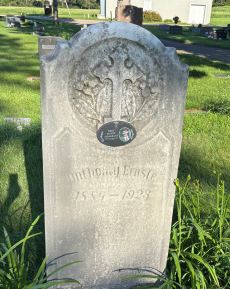
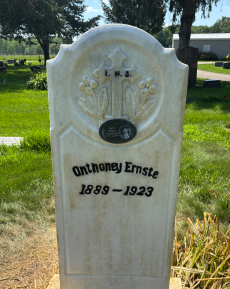
Regional paper mills vent heavy sulfur dioxide gas into the atmosphere. Industrial smog drifts across local burial grounds. High humidity traps this exhaust over the cemetery plots. The wet sulfur makes direct contact with flat bronze plates. The gas penetrates the factory clear coat. Bare copper reacts with the chemical. A dense black copper sulfide tarnish covers the metal surface. The dates disappear into the dark background. We execute bronze memorial refinishing. Field crews deploy heavy abrasive pads. The abrasive material mills the hard sulfide tarnish off the plate. The extraction process exposes the bright raw metal core. Chemical wash systems flush the deep sulfur residue. Specialized torches heat the bare plaque. Technicians melt solid wax into the open metal pores. The thick wax barrier blocks ambient moisture.
Sinkhole Topography and Foundation Elevation
The Lowland karst topography features subterranean limestone cavities and loose sandy topsoil. Severe thunderstorms deliver massive precipitation. The fast water washes the surface sand down into the limestone fissures. Heavy granite monuments lose lateral support. The upright slabs plunge into the subterranean voids. We execute cemetery monument foundation lifting. Mechanical gantries hoist the sunken stones. Field crews excavate the unstable sand below the frost line. Technicians pour angular crushed rock into the deep trench. Dual-piston pneumatic tampers compact the rough stone. This aggregate pad establishes a rigid structural footprint. The vertical sinking stops.
Live Oak Canopies and Biological Eradication
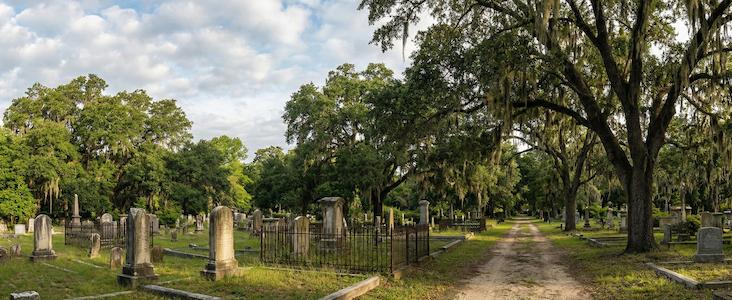
Historic cemetery sections sit beneath massive live oak canopies. Spanish moss traps ambient humidity. The hanging vegetation blocks solar radiation. Stone surfaces remain perpetually saturated. This damp environment breeds aggressive biological colonization. Thick black mold covers the engraved lettering channels. The biological organism drives micro-rootlets into the rock matrix. The vegetative layer secretes acidic compounds. The chemical reaction degrades the factory polish. Industrial power washers drive liquid into the rock fissures. High-pressure water shatters the compromised stone. Field crews apply liquid biocides. Industrial biological cleaners soak into the root structures. The organism dies. The dead biological crust detaches from the stone face. Natural rainfall rinses the organic debris. We execute headstone cleaning Valdosta.
Whitefly Honeydew and Sooty Mold Extraction
Warm southern climates support massive whitefly populations. The insects swarm the cemetery vegetation. The pests excrete sticky honeydew sap onto the flat granite markers. Morning fog traps the sap against the stone. Black sooty mold feeds on this organic sugar. The dark fungus penetrates the rough rock pores. Field crews apply sodium hypochlorite foaming gels. The chemical lather destroys the fungal cell structure. Brass spray wands flush the dead biological debris. We provide grave site cleaning services.
Yellow Pine Resin and Solvent Dissolving
Yellow pine timber plantations surround the region. The native trees drop thick organic pitch across the monuments. Thermal radiation bakes the sticky resin. The material hardens into solid black lumps. Airborne environmental dust adheres to the residue. Mechanical metal scrapers scratch the underlying stone finish. Field technicians apply commercial solvent poultices. The chemical paste targets the hardened sap. The thermal reaction softens the baked pitch back into a liquid state. Technicians wipe the dissolved residue. The factory finish remains intact.

Mineral Aquifer Irrigation and Descaling Operations
Cemetery irrigation systems pull from deep mineral aquifers. Automated sprinklers spray this untreated liquid onto flat markers. Thermal radiation triggers rapid moisture evaporation. The remaining calcium solidifies into an impenetrable white barrier. Standard nylon brushes fail against this mineral bond. Acidic descalers dissolve the solid calcium matrix. A low-pressure water rinse clears the chemical residue. The extraction restores the deep factory reflection.
Blistering Heat and Inscription Repainting
Ground-level ozone oxidizes factory paint resins inside carved letters. Solid pigment turns into dry dust. Wind blows the loose chips out of the grooves. We handle headstone lettering repair. Tungsten-steel dental picks extract the old flakes. We inject industrial lithichrome enamel into the deep channels. Dense foam-rubber pads wipe the excess paint from the polished surface. The carved names regain visual contrast.
"Great service. Cleaned my great grandfathers memorial that was in sad shape. Couldn’t be happier with the work."
— Michael Arnold, Georgia
Red Clay Chelation and Rust Extraction
South Georgia soils feature dense iron-rich clay. Severe storms splash wet mud against monument bases. Porous granite absorbs the dirty water. Intense atmospheric heat extracts the liquid moisture. The residual iron particles bond with the interior rock structure. This physical process creates an orange rust band around the bottom blocks. Field crews deploy specialized chelating agents. These acidic liquids attack the trapped iron oxide. Thick chemical pastes absorb the embedded rust through capillary action.

Logistics and Service Verification
Valdosta logistics demand precise operational planning. Poultice applications require multiple cemetery visits. Foundation stabilization involves heavy gravel transport across loose sandy soil. Our mobile units carry dedicated water supplies. We handle all cemetery compliance paperwork. Clients receive a flat rate upfront. Families track the project progress through remote portal access. Field crews upload the final timestamped verification photo via our mobile and web app. The digital platform stores the service records. We execute comprehensive cemetery plot maintenance.
- Sulfide Milling: Heavy abrasive pads mill industrial sulfur tarnish off flat bronze markers.
- Karst Stabilization: Crushed rock foundations cure vertical sinking in loose Valdosta sandy loam.
- Biological Soft-Washing: Liquid biocides destroy thick black mold trapped under live oak canopies.
- Sooty Mold Extraction: Foaming gels destroy biological fungus fueled by sticky whitefly honeydew sap.