Jackson Purchase Soil and Soft Footings
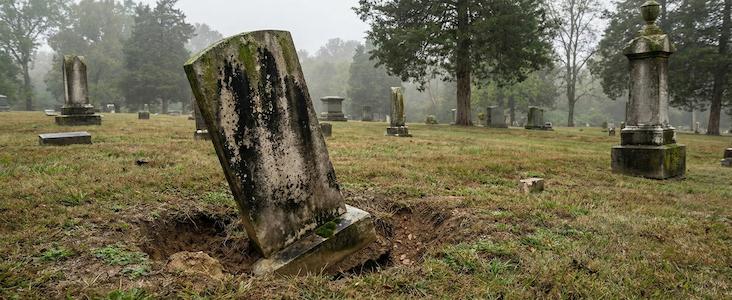
The Jackson Purchase is the flattest single stretch of Kentucky, and Murray's soil is so fertile it built a whole tobacco economy back when the county had as many as fifteen separate processing plants running at the same time on any given harvest season. Great for crops, historically speaking. A headstone footing is a different story entirely. The ground holds moisture a lot longer than the rockier soil found in most of the rest of the state, especially in low spots near the creeks that cross the county — Clark's River, Blood River, the ones that eventually feed Kentucky Lake. A footing sitting in that kind of ground doesn't get a firm bearing. A monument settles unevenly over years, a little more after every wet spring, hardly noticeable until it's not.
Rebuilding one of these old, sunken markers means digging past the soggy layer entirely and packing the hole with crushed gravel that won't hold onto water the way the native soil does. Reset level, log the depth, check it again next visit. This tobacco-country ground looks solid enough on top, but a foot or two down it rarely is. Most of the headstone repair and restoration work we handle in Calloway County starts with exactly this kind of soft, fertile ground.
Lake Humidity and Dulling Bronze
Kentucky Lake sits close enough to town that its humidity reaches well into the county, and plots nearer the water stay damp a lot longer than ones set further inland, even during a stretch of otherwise dry weather. Bronze markers in that lingering dampness tarnish faster than granite shows comparable wear, losing their shine and picking up a chalky green film if the coating isn't holding up anymore. Plaques set right along the shoreline typically need attention on a shorter cycle than ones even a mile or two back from the water.
We strip the failed coating to bare metal, dry it completely, and reseal with a coating built for sustained humidity — bronze marker restoration that holds up near the lake better than a standard factory finish would.

Fertile Soil Acidity and Fading Lettering
The same rich soil that made this tobacco country carries a natural acidity that works its way into engraved letters over time, wearing down sharp edges a good deal faster than it wears the surrounding stone face. A name that once read clearly from a few feet away starts blending into the face of the marker, worse on older stones that have had more decades of exposure to absorb it.

We neutralize the acidic wear before rebuilding any lettering that's faded past saving, repainting the name to match its original depth and font despite the soil's natural acidity working steadily against it year after year. Add headstone lettering repair to a standard cleaning if a family name has gotten hard to read.
Kentucky Lake Dampness Grows Mold on Shaded Stone
The same lake humidity that tarnishes bronze also keeps shaded granite near the water damp far longer than plots set well inland, and mold builds up on that granite faster than plots on drier, sunnier ground ever show. Families searching headstone cleaning services near me in Murray near the lake usually end up asking about this dark buildup specifically, not just the bronze.
"Tending did a wonderful job preserving headstones in a small family cemetery. Highly recommend!"
— Beatle, Tending Client
We treat it with a biocide made for mold, then rinse the dead growth away once it's actually killed. Markers under heavy shade close to the water tend to need this again sooner than stones set out on higher, drier ground.
Service Costs in Murray
Our online calculator gives you a number before anyone visits — monument type, plan, done. Same process anywhere in Calloway County.
- Foundation Repair: Rebuilding footings settling into soft, fertile soil.
- Bronze Restoration: Stripping and resealing lake-humidity tarnish.
- lettering repair: Neutralizing acidic wear and repainting names.
- Biological Cleaning: Removing mold from shaded stone near Kentucky Lake.