
Lake Macatawa Sand and Tulip Mulch
Holland sits right on the coast of Lake Macatawa and Lake Michigan. The ground is loose dune sand. The local cemeteries plant thousands of flowers every spring. Families searching for headstone cleaning services near meusually find their monuments stained by rotting landscaping mulch or sliding off their bases from heavy winter snowdrifts. As a professional headstone restoration company, we lock the physical footprint down first before we pull the chemical stains out of the rock.
Tulip Petal Tannins and Dyed Mulch
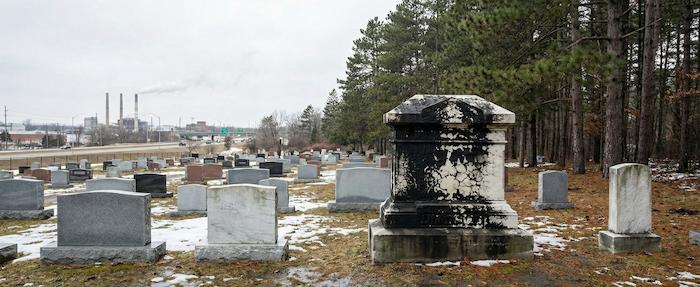
Holland memorial parks plant massive tulip beds directly around the gravesites. Groundskeepers pack heavy, dyed mulch against the monument bases to protect the bulbs. When it rains, the rotting tulip petals and wet mulch bleed organic tannins and artificial dye deep into the porous granite.
"I was absolutely amazed at what they were able to achieve with the headstones. Aged stones that I had tried to clean personally and got nowhere with looked fantastic. The detail that went with the stones being cleaned was thorough. I ended up having a total of eight stones done because I was so happy with the work. I cannot recommend highly enough!"
— Laverne S, Tending Client
You cannot scrub dye and tannins out with soap. We trowel a thick chemical poultice directly over the discoloration. The paste breaks the organic bond and actively sucks the pigment straight out of the rock pores. We wipe the dry powder away, leaving the base completely clean.
Lake Effect Snow Shear
Massive winter blizzards roll right off Lake Michigan. The wind packs multi-ton snowdrifts against the flat backs of upright monuments. This immense lateral weight pushes against the top die. The lateral force shears the factory putty completely in half, sliding the top stone sideways.
We hoist the top block using heavy synthetic slings. We scrape the sheared mortar off the granite joints and force the rock dry. We drill the blocks, pin them together with thick stainless steel rods, and lock the joint with structural epoxy. The gravestone resists future snowdrifts permanently.
Dune Sand Subsidence
The local coastal sand holds zero structural weight. Spring rains wash the loose sand right out from under the concrete footings. Heavy granite blocks drop straight into the washouts and tilt into the dirt.

Shoving loose sand back under the stone is useless. For permanent leaning headstone repair, we extract the base entirely. We dig out the unstable sand. We drive a deep trench and pack it with heavy crushed stone. This angular gravel locks together, securing the footprint so the monument stops dropping.
Coastal Sandblasting and Bronze Rot
High winds whip loose dune sand across the cemetery plots. This wind acts like a sandblaster on flat bronze veteran plaques. It strips the protective factory clear coat right off the metal. The raw copper alloy is exposed to the lake humidity and quickly turns into a chalky green crust.
We run complete bronze marker restoration at the grave. We mill the metal bare using rigid brass brushes to remove the green rot. We shoot a dark background tint, sand the raised letters bright, and spray a rigid UV clear coat to seal the copper from the coastal wind.

Irrigation Iron Scale
Parks run heavy irrigation to keep the turf and flower beds alive. The local well water pumps heavy iron directly onto the stones. The sun bakes this into a thick, rusty orange scale that completely fills the carved names.
Scraping the rust with metal tools destroys the factory polish. We apply buffered acidic melters. The chemicals safely dissolve the iron scale into a liquid so we can rinse the orange haze away without abrading the raw stone.
Service Logistics and Pricing
We skip the on-site estimates and hidden upcharges. For all cemetery monument maintenance, we operate a flat-rate subscription model based strictly on the size and type of the marker. You check your exact cost instantly using our online configurator. You book the work, and our field crew heads to the cemetery.
- Stain Extraction: Using poultice to pull tulip petal tannins and dyed mulch out of stone.
- Snow Shear Repair: Pinning and epoxying top dies shifted by lake effect snowdrifts.
- Base Resetting: Digging out loose dune sand and packing gravel under sunken monuments.
- Bronze Restoration: Stripping and resealing sandblasted, oxidized veteran markers.