Bakken Oil Traffic and Metaborate Degreasing
The Bakken oil boom brings heavy tanker traffic across Highway 2. Crude oil transport trucks emit thick diesel exhaust. Freight trains run parallel to the highway. The locomotives produce massive carbon clouds. Wind carries this petrochemical dust onto reservation burial grounds. The porous granite absorbs the dark fallout. Extreme summer heat bakes the residue. A rigid synthetic layer forms over the monuments. Commercial detergents fail against this barrier. Our maintenance crews deploy sodium metaborate detergents. The targeted alkaline solution cuts the grease. Technicians pressure-wash the stones with boiling water. The oily layer washes away. The polished rock emerges. We execute headstone cleaning Fort Peck Reservation.
Missouri River Moisture and Biocidal Control
Fort Peck Lake holds massive water volumes. The nearby Missouri River adds constant atmospheric moisture. Heavy morning fog covers the local headstones. Grey foliose lichen thrives in these wet conditions. The fungus grips the porous antique marble. The biological organism pushes rootlets into the stone. Biological secretions digest the natural calcium. Hard brushes destroy the fragile historic markers. Field specialists apply iodophor-based biocides. The chemical penetrates the organism. The liquid formula destroys the cell walls. The lichen dies. Prairie storms rinse the dead matter away. The stone recovers its original appearance. We provide grave site cleaning services.
Pierre Shale Subsidence and Pneumatic Piles
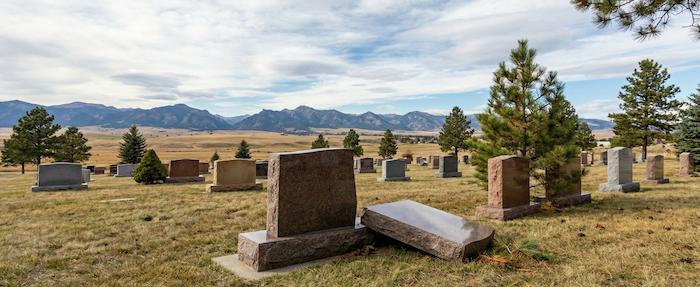
The local earth features unstable Pierre Shale and glacial till. Underground water freezes during Alberta Clipper winter storms. Internal ice expansion displaces the shale. The immense geological pressure breaks heavy concrete footings. Spring thaws leave empty voids beneath the monuments. Granite bases sink into the mud. Tall upright stones lean to the side. We manage cemetery monument foundation lifting. Mobile cranes hoist the tilted stones into the air. Workers remove the compromised dirt from the trench. We drive pneumatic steel piles into the solid ground. Crews fill the hole with crushed dacite rock. Heavy tampers pack the stone base. This static footprint prevents future sinking.
Box Elder Tannins and Persulfate Poultices
Box elder trees and Russian olives border the rural plots. The deciduous trees shed wet leaves across the cemetery. Rainwater leaches dark tannin dyes from the foliage. Brown stains ruin the bright granite. The trees also exude thick resin. The pitch cures into stubborn amber beads. Field technicians spread ammonium persulfate gels over the stains. The chemical oxidation pulls the brown pigment out of the rock pores. We apply tetrahydrofuran solvents onto the sap. The harsh chemical liquefies the hardened resin. Crews wipe the debris away with clean rags. We perform comprehensive cemetery plot maintenance.
"I cannot express how much I appreciate the hard work that they did to my mom's head stone. My mother was my whole life , and I can't get there to clean it up and i'm so happy that I found tending. It looks absolutely brand new.I couldn't be happier and I would recommend them to anyone"
— Crazy Catlady, Tending Client
Copper Sulfate Tarnish and PTFE Shields
Severe prairie weather strips the clear coat from bronze military plaques. Bare copper reacts with atmospheric moisture. A dense layer of copper sulfate forms. The green tarnish obscures the veteran names. The raw metal suffers permanent pitting. We perform bronze memorial refinishing. Field teams apply ammonium carbonate pastes over the metal. Technicians polish the plaque with fine bronze wool. The green oxidation disappears. The original copper shine returns. Workers spray polytetrafluoroethylene clear coats over the plaque. The synthetic layer repels future moisture. The protective shield stops further corrosion.
Alberta Clipper Freezes and Polyurethane Enamel
Extreme winter cold destroys factory lettering paint. The rapid freeze shrinks the acrylic enamel. The dry pigment shatters. High winds blow the flakes out of the grooves. The monument text vanishes into the background stone. We handle headstone lettering repair. Technicians clean the channels with tungsten-carbide picks. We clear the dead material. We inject aliphatic polyurethane enamel into the raw grooves. The heavy liquid fills the cuts. Workers scrape the excess paint flush with the surface. The dark text restores full legibility.

Ice Wedging Deterioration and Epoxy-Acrylate Adhesives
Rainwater pools in the horizontal seams of tall monuments. Plunging temperatures freeze this water solid. The internal ice expansion shatters the old cement. Wind gusts rock the loose upper blocks. This creates a severe falling hazard. We execute tombstone repair and restoration. Heavy straps secure the top stone. Mobile gantries lift the block. Diamond grinders clear the failed mortar. Field crews apply epoxy-acrylate hybrid adhesives. We set the granite down into the resin. The blocks fuse together.
Project Logistics and Cloud Records
Fort Peck Reservation operations require meticulous planning. Rural locations lack running water. Our trucks haul independent water supplies. Heavy dacite transport requires tracked utility carts. Clients receive a guaranteed flat price. Families track the project via a secure web portal. Technicians upload completion photographs via our mobile app. The cloud database stores all service records.

- Smog Degreasing: Sodium metaborate detergents cut greasy crude oil soot generated by Bakken transport traffic.
- Lichen Eradication: Iodophor-based biocides destroy grey foliose lichen fueled by Missouri River fog.
- Stain Extraction: Ammonium persulfate gels pull dark box elder leaf tannins out of porous granite.
- Foundation Leveling: Pneumatic steel piles and crushed dacite stabilize heavy monuments in volatile Pierre Shale.