
Pulp Mill Ash and Sodium Orthosilicate Degreasers
Decades of industrial pulp processing polluted the Frenchtown valley. The historic paper mill exhausted dense wood-ash particulate constantly. This airborne carbon soot bonds tightly to polished granite memorials. Intense summer heat bakes the pollution into a rigid black shell. Standard household cleaners fail against this baked-on crust. Our field teams bypass retail products entirely. We deploy heavy-duty sodium orthosilicate degreasers. The highly alkaline formula neutralizes the complex carbon bonds. Technicians blast the memorial with high-pressure hot water. The dark industrial sludge washes away completely. We execute headstone cleaning Frenchtown-Wye.

River Inversions and Benzalkonium Chloride
Severe temperature inversions trap atmospheric moisture inside the valley. The Clark Fork River supplies endless morning humidity. Aggressive black mold colonies invade the damp historic marble. These biological organisms secrete strong digestive acids into the rock. Physical friction destroys fragile pioneer masonry. Our crews reject stiff metal brushes completely. We spray benzalkonium chloride formulas directly onto the affected stones. This targeted biocide penetrates the fungal cell walls safely. The mold dies without any mechanical abrasion. Dry valley winds scatter the dead spores. We provide grave site cleaning services.

Silty Loam Subsidence and Steel Micro-Struts
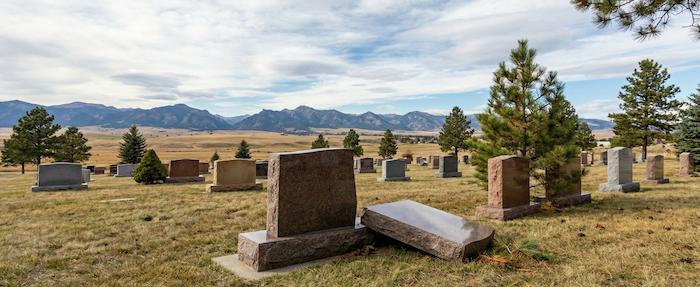
Frenchtown-Wye topography features unstable silty loam and loose river gravel. Sub-zero winter cold freezes the saturated ground solid. Extreme frost heave pushes massive concrete bases upward violently. Spring thaws collapse the wet subterranean support structure. Heavy granite uprights sink dangerously sideways. We manage cemetery monument foundation lifting. Mobile gantry cranes elevate the tilted die stones. Field workers excavate the volatile silty loam completely. Technicians drive steel micro-struts deep into the trench. Crews pack compacted pumice stone around the metal shafts. The rigid new footprint stops vertical settlement.
Irrigation Scale and Formic Acid Descalers
Rural cemetery managers run agricultural sprinklers constantly during summer droughts. The local groundwater contains immense mineral concentrations. The hot afternoon sun evaporates the liquid rapidly. A thick white calcium shell obscures the dark monument polish. Abrasive scraping ruins the smooth factory finish permanently. Field teams brush formic acid descalers over the mineral deposits. The specific chemical melts the alkaline bonds safely. The rigid white crust turns into a soft liquid. Technicians flush the plaque with purified water. We perform comprehensive cemetery plot maintenance.
Bronze Oxidation and Fluoropolymer Nanocoatings
Corrosive valley winter storms destroy flat bronze military plaques. The harsh snowmelt strips the factory clear coat. Bare copper alloys suffer rapid oxidation. Thick dark cuprous oxide hides the veteran tributes entirely. We perform bronze memorial refinishing. Field crews rub sulfamic-phosphoric acid gels across the metal. Workers scour the flat bronze with brass-wire detailing brushes. This intense physical friction strips the dark tarnish bare. The bright copper shine reappears instantly. Workers apply liquid fluoropolymer nanocoatings over the warm bronze. The synthetic layer repels future acidic snowmelt.
Thermal Enamel Fracture and Aliphatic-Polyurea Paint
Extreme sub-zero weather systems ruin commercial monument paint. Sudden cold snaps shrink the factory acrylic enamel violently. The brittle pigment shatters inside the deep carvings. High valley winds remove the debris completely. The names vanish into the raw stone. We handle headstone lettering repair. Technicians clear the empty channels with tungsten-vanadium picks. We remove all failed factory residue. We inject aliphatic-polyurea enamel into the cuts. The heavy industrial liquid survives extreme temperature shifts. Workers scrape the excess paint flush. The dark text restores full readability.
Ice Wedging Repair and Silane-Crosslinked Epoxies
Freezing rain floods the horizontal seams between tall monument blocks. Plunging nighttime temperatures freeze the trapped liquid solid. The internal ice expansion shatters the original mortar. Powerful wind gusts destabilize the loose upper tiers. The heavy blocks create a severe physical hazard. We execute tombstone repair and restoration. Heavy straps secure the top stone. Diamond grinders sheer the failed cement off the base. Field crews dispense silane-crosslinked epoxies onto the raw rock. We lower the top stone. The heavy tiers fuse permanently.
Operational Logistics and Cloud Verification
Missoula County operations demand strict logistical control. Heavy pumice transport requires specialized tracked utility carts. Remote rural sites lack municipal water access. Our service trucks carry independent water reservoirs. Clients receive a flat guaranteed price upfront. Families monitor the restoration progress through our secure digital portal. The digital system ensures transparent client communication. Technicians upload completion photographs via our mobile app. The cloud server database archives all digital service records securely.
"Tending is an excellent headstone and cemetery restoration company. David and Madison are extremely kind and professional and literally saved a family cemetery."
— Beatle, Tending Client
- Ash Degreasing: Sodium orthosilicate degreasers neutralize tough carbon soot exhausted by the historic paper mill.
- Biological Eradication: Benzalkonium chloride formulas destroy aggressive black mold fueled by Clark Fork River inversions.
- Foundation Leveling: Steel micro-struts and compacted pumice stone stabilize heavy monuments against silty loam frost heave.
- Scale Removal: Formic acid descalers melt rigid alkaline calcium crusts left by rural agricultural sprinklers.