
Tree Resin Accumulation and D-Limonene Solvents
Mature maples and tall pines dominate the Missoula cemeteries. The trees drop heavy resin across the granite markers. Summer heat bakes the pitch. The sap hardens into black tar spots. The sticky surface traps windblown dust. Retail cleaners fail against the thick resin. Field crews deploy d-Limonene extract liquids. The chemical agent melts the hardened pitch. Technicians wipe the liquefied sap away. Workers wash the stone with hot water. The clean granite polish emerges. We execute headstone cleaning Missoula.
Clark Fork River Fog and Biocidal Eradication
The Clark Fork River flows through the city. Dense winter fog settles in the valley. Antique marble absorbs the constant atmospheric moisture. Heavy shade prevents natural evaporation. Thick green moss covers the historic markers. The biological organisms drive tiny roots into the porous stone. Fungal acids consume the natural mineral binders. The green crust hides the engraved names. Hard brushes destroy the fragile marble. Restoration specialists apply peracetic acid washes. The liquid formula breaches the cellular membranes. The moss dies instantly. The biological mass crumbles. Rainstorms flush the dry debris. We provide grave site cleaning services.
River Gravel Subsidence and Aluminum Micropiles
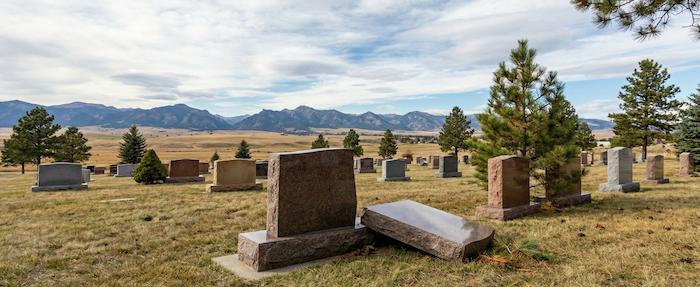
Missoula topography features loose river gravel and sandy loam. Sub-zero winter freezes expand the subterranean moisture. The underground ice pushes the rocky soil upward. Extreme frost heave destabilizes concrete monument foundations. Spring thaws leave empty voids beneath the granite. The heavy blocks lean dangerously sideways. The uneven weight threatens nearby visitors. We manage cemetery monument foundation lifting. Mobile cranes hoist the unstable die stones. Field workers excavate the volatile river rock. Technicians drive structural aluminum micropiles into the trench. Crews pack angular limestone ballast around the metal shafts. Heavy tampers compress the aggregate pad. The rigid footprint prevents future sinking.
Hard Water Scale and Sulfamic Acid Descaling
Municipal irrigation systems use mineral-heavy groundwater. Cemetery sprinklers spray the monuments constantly during summer. Intense sunlight evaporates the water rapidly. A thick calcium carbonate scale coats the dark granite. The white mineral crust hides the engraved details. The hazy layer ruins the memorial appearance. Mechanical scrapers scratch the polished surface. Field teams brush sulfamic acid solutions over the rock. The targeted chemical dissolves the alkaline deposits. Technicians rinse the stone with neutral water. The original dark color reappears. We perform comprehensive cemetery plot maintenance.

Copper Carbonate Tarnish and Ceramic Seals
Severe mountain weather damages flat bronze military markers. Corrosive rain destroys the factory clear coat. The bare copper alloy reacts with atmospheric oxygen. Thick green copper carbonate hides the veteran names. We perform bronze memorial refinishing. Field crews spread thiourea chemical pastes over the plaque. Technicians rub the metal with fine brass wool. The mechanical friction removes the green tarnish. The bright copper shine returns. Workers spray silane-based ceramic coatings across the warm bronze. The synthetic shield repels future moisture. The protective film stops further corrosion.
Thermal Enamel Fracture and Hybrid Paint Injection
Rapid temperature fluctuations ruin commercial monument paint. Sudden cold shrinks the factory acrylic enamel. The brittle pigment shatters inside the carved lettering. Valley winds blow the loose flakes out of the grooves. The text vanishes completely. We handle headstone lettering repair. Technicians clean the channels with stainless steel scalpel blades. We remove all dead material. We inject industrial epoxy-urethane hybrid enamel into the cuts. The thick liquid fills the deep engravings. Workers scrape the excess paint off the flat face. The dark contrast restores full legibility. The new paint survives extreme thermal shock.
Ice Wedging Deterioration and Polyvinyl Acetate Adhesives
Rainwater enters the horizontal seams between monument blocks. Plunging night temperatures freeze the trapped liquid. The internal ice expansion shatters the original mortar. Wind gusts rock the top granite tiers. The loose blocks create a severe falling hazard. We execute tombstone repair and restoration. Heavy straps lift the upper stone securely. Diamond grinders sheer the failed cement off the base. Field crews dispense polyvinyl acetate adhesives onto the raw rock. We lower the top stone. The tiers fuse permanently. The strong chemical bond stops future water intrusion.
"Tending did a wonderful job preserving headstones in a small family cemetery. Highly recommend!"
— Beatle, Tending Client
Project Logistics and Digital Archiving
Missoula operations require strict logistical planning. Heavy limestone transport demands specialized tracked carts. Remote burial sites lack municipal water access. Our service trucks carry independent water reservoirs. Clients receive a flat guaranteed price. Families monitor the restoration progress through our secure digital portal. The digital system ensures transparent client communication. Technicians upload completion photographs via our mobile app. The cloud database archives all service records.
- Sap Degreasing: D-Limonene extract liquids melt hardened pitch and tar spots dropped by Missoula maples and pines.
- Moss Eradication: Peracetic acid washes kill thick green moss fueled by Clark Fork River winter fog.
- Scale Removal: Sulfamic acid solutions dissolve white calcium carbonate left by mineral-heavy cemetery sprinklers.
- Foundation Leveling: Aluminum micropiles and angular limestone ballast stabilize heavy monuments in loose river gravel.