Silicate Fallout and Sodium Carbonate Detergents
The Kootenai River valley supports heavy timber operations. Historic mineral mines exhausted dense silicate dust. Logging trucks expel diesel exhaust. The local winds push this industrial mixture over the Libby cemeteries. The airborne particulate sticks to porous headstones. Sunlight bakes the greasy residue. A tough synthetic crust covers the stone. Standard soaps fail against the barrier. Field specialists deploy heavy-duty sodium carbonate detergents. The alkaline liquid breaks the carbon chains. Technicians blast the granite with hot water. The pressure removes the black sludge. The bright factory polish reappears. We execute headstone cleaning Libby.
River Humidity and Zinc Naphthenate Biocides
The Cabinet Mountains trap dense morning fog. The Kootenai River generates perpetual moisture. The damp climate blankets antique marble monuments. Water vapor feeds aggressive green crustose lichen. The biological colonies drive tiny rootlets into the rock. Fungal acids consume the natural calcium. Stiff bristles scratch the soft vintage stone. Restoration experts apply zinc naphthenate solutions. The chemical permeates the fungal cell walls. The liquid biocide kills the micro-flora. The biological mass turns into brittle ash. Raindrops wash the dead powder away. We provide grave site cleaning services.
Glacial Till Subsidence and Auger Piles
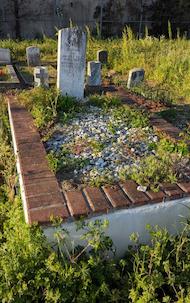
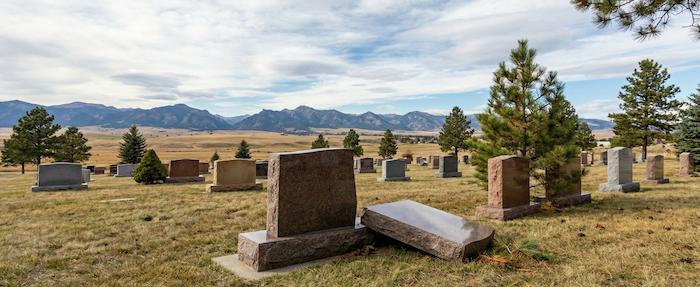
Libby topography contains loose glacial till. The ground holds deep river cobble. Extreme winter temperatures freeze the subterranean water. The expanding ice pushes the boulders upward. The frost heave fractures rigid concrete bases. Spring thaws create empty underground voids. Heavy granite uprights lean sideways. We manage cemetery monument foundation lifting. Mobile gantries elevate the unstable die blocks. Field crews excavate the soft glacial soil. Technicians drill carbon-steel auger piles into the trench. Workers dump crushed quartzite around the metal shafts. Pneumatic tampers flatten the stone bed. The solid foundation prevents future sinking.
Fir Tree Tannins and Peroxide Poultices
Massive Douglas fir trees surround the local plots. The conifers drop millions of needles. Rain flushes tannic acid from the needles onto the markers. The dark brown dye penetrates the rock pores. The trees also secrete thick pitch. The sap hardens into stubborn transparent drops. Field workers mix barium peroxide pastes. We cover the dark stains with the wet clay. The chemical oxidation extracts the deep pigment. Technicians pour methylated spirit solvents over the hard pitch. The chemical dissolves the sticky resin. Crews wipe the bare stone clean. We perform comprehensive cemetery plot maintenance.

Copper Oxide Tarnish and Fluorosilicone Seals
Harsh alpine winters batter flat bronze military markers. The corrosive snowmelt destroys the protective clear coat. Raw copper alloys react with atmospheric oxygen. Thick black copper oxide covers the military details. We perform bronze memorial refinishing. Field teams spread lactic acid gels over the metal. Technicians rub the plaque with fine bronze wool. The mechanical friction eliminates the dark tarnish. The original copper color returns. Workers coat the warm metal with fluorosilicone protectants. The synthetic barrier blocks future winter moisture.
Sub-Zero Paint Fracture and Epoxy Injection
Sub-zero Kootenai County temperatures destroy commercial paint. The sudden cold shrinks the factory monument enamel. The brittle pigment breaks into small pieces. High winds scatter the loose flakes. The carved names disappear completely. We handle headstone lettering repair. Technicians empty the grooves with titanium scribes. We remove all dead debris. We inject industrial epoxy-polyester enamel into the cuts. The thick liquid fills the engravings. Workers scrape the excess paint away with rubber blocks. The deep contrast restores full readability.
"Tending not only restores headstones, they clean up graveyards. They do a wonderful job and I can’t recommend them highly enough!"
— Beatle, Tending Client

Ice Wedging Deterioration and MMA Adhesives
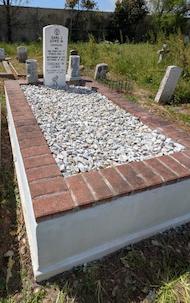
Heavy rain floods the horizontal monument joints. Plunging nighttime temperatures freeze the liquid. The internal ice expansion shatters the original mortar. Wind gusts rock the top granite tiers. The loose stones present a critical hazard. We execute tombstone repair and restoration. Heavy straps lift the upper block safely. Diamond grinders sheer the failed cement off the base. Field crews dispense methyl methacrylate adhesives onto the raw rock. We lower the top stone. The tiers fuse permanently.
Project Logistics and Cloud Tracking
Libby operations demand strict logistical parameters. Heavy quartzite transport requires tracked utility carts. Remote burial sites lack municipal water. Our service vehicles carry large water reserves. Customers receive a flat guaranteed price. Families monitor the restoration schedule through our secure digital portal. Technicians upload completion photographs via our mobile app. The database archives the project records.
- Smog Degreasing: Sodium carbonate detergents strip historic silicate dust and modern logging exhaust from granite faces.
- Lichen Eradication: Zinc naphthenate solutions kill aggressive green lichen fueled by Kootenai River moisture.
- Stain Extraction: Barium peroxide pastes pull dark brown Douglas fir tannins out of porous stone.
- Foundation Leveling: Carbon-steel auger piles and crushed quartzite stabilize heavy monuments in loose glacial till.