
Logging Truck Soot and Sodium Carbonate Peroxohydrate
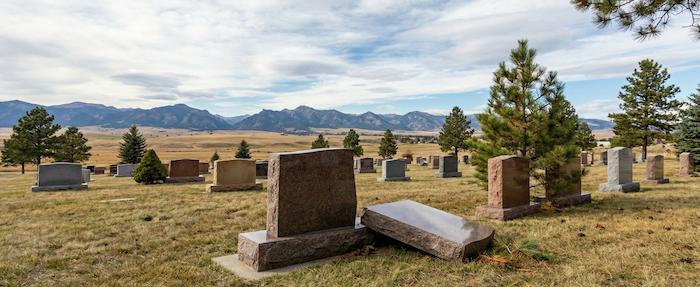
Heavy logging trucks navigate the Blackfoot Valley continuously. Local cabin chimneys exhaust thick woodsmoke during winter months. This airborne carbon soot coats cemetery headstones. The bright summer sun bakes the oily film onto polished granite. Retail soaps fail against this stubborn hydrocarbon barrier. We bypass commercial cleaners entirely. Our field teams deploy sodium carbonate peroxohydrate formulas. The alkaline reaction breaks the sticky carbon bonds. Technicians blast the stone with high-temperature steam. The dark sludge washes away completely. We execute headstone cleaning Lincoln.
Forest Slime Mold and ADBAC Biocides
Dense ponderosa pines overshadow the historic family plots. The nearby Blackfoot River supplies constant morning humidity. Aggressive dark green slime mold thrives in this deep shade. The biological organism excretes severe digestive acids into the marble. Physical friction destroys delicate antique masonry. Our crews reject stiff metal brushes completely. We spray alkyl dimethyl benzyl ammonium chlorides directly onto the affected stones. This targeted biocide breaches the fungal cell walls safely. The mold dies without any mechanical abrasion. Dry mountain winds scatter the dead spores. We provide grave site cleaning services.
Peat Bog Subsidence and Copper-Steel Piers
Lincoln topography features saturated forest loam and peat bogs. Sub-zero winter cold freezes the high water table solid. Extreme frost heave pushes massive concrete bases upward violently. Spring thaws collapse the wet subterranean support structure. Heavy granite uprights sink dangerously sideways. We manage cemetery monument foundation lifting. Mobile gantry cranes elevate the tilted die stones. Field workers excavate the volatile peat completely. Technicians drive helical copper-steel piers deep into the trench. Crews pack crushed river dolomite around the metal shafts. The rigid new footprint stops vertical settlement.
"This is my first experience, and they have entrusted me with their loyalty. No question goes unanswered, and their delivery and performance are excellent."
— GaryD, Tending Client
Red Iron Scale and Hydrofluoric-Phosphoric Blends
Rural cemetery managers run agricultural sprinklers constantly during summer droughts. The local well water contains immense dissolved iron concentrations. The hot afternoon sun evaporates the liquid rapidly. A thick red mineral shell obscures the dark monument polish. Abrasive scraping ruins the smooth factory finish permanently. Field teams brush hydrofluoric-phosphoric acid blends over the mineral deposits. The specific chemical melts the metallic bonds safely. The rigid red crust turns into a soft liquid. Technicians flush the plaque with purified water. We perform comprehensive cemetery plot maintenance.

Bronze Oxidation and Aliphatic Polyurethane Seals
Corrosive mountain blizzards destroy flat bronze military plaques. The harsh snowmelt strips the factory clear coat. Bare copper alloys suffer rapid oxidation. Thick dark copper oxide hides the veteran tributes entirely. We perform bronze memorial refinishing. Field crews rub ammonium persulfate pastes across the metal. Workers scour the flat bronze with compressed melamine sponges. This intense physical friction strips the dark tarnish bare. The bright copper shine reappears instantly. Workers apply liquid aliphatic polyurethane clear coats over the warm bronze. The synthetic layer repels future acidic snowmelt.
Thermal Enamel Fracture and Epoxy-Modified Pigment
Extreme sub-zero weather systems ruin commercial monument paint. Sudden cold snaps shrink the factory acrylic enamel violently. The brittle pigment shatters inside the deep carvings. High valley winds remove the debris completely. The names vanish into the raw stone. We handle headstone lettering repair. Technicians clear the empty channels with titanium-coated dental scalers. We remove all failed factory residue. We inject epoxy-modified urethane pigment into the cuts. The heavy industrial liquid survives extreme temperature shifts. Workers scrape the excess paint flush. The dark text restores full readability.
Ice Wedging Repair and Polythiol-Epoxy Adhesives
Freezing rain floods the horizontal seams between tall monument blocks. Plunging nighttime temperatures freeze the trapped liquid solid. The internal ice expansion shatters the original mortar. Powerful wind gusts destabilize the loose upper tiers. The heavy blocks create a severe physical hazard. We execute tombstone repair and restoration. Heavy straps secure the top stone. Diamond grinders sheer the failed cement off the base. Field crews dispense polythiol-epoxy structural adhesives onto the raw rock. We lower the top stone. The heavy tiers fuse permanently.
Operational Logistics and Cloud Verification
Lewis and Clark County operations demand strict logistical control. Heavy dolomite transport requires specialized tracked utility carts. Remote rural sites lack municipal water access. Our service trucks carry independent water reservoirs. Clients receive a flat guaranteed price upfront. Families monitor the restoration progress through our secure digital portal. The digital system ensures transparent client communication. Technicians upload completion photographs via our mobile app. The cloud server database archives all digital service records securely.
- Carbon Degreasing: Sodium carbonate peroxohydrate formulas neutralize oily woodsmoke and logging truck exhaust.
- Biological Eradication: Alkyl dimethyl benzyl ammonium chlorides destroy dark green slime mold fueled by deep forest shade.
- Foundation Leveling: Helical copper-steel piers and crushed river dolomite stabilize heavy monuments against peat bog frost heave.
- Scale Removal: Hydrofluoric-phosphoric acid blends melt rigid red iron crusts left by well water sprinklers.