Highway Soot and Hydrocarbon Extraction
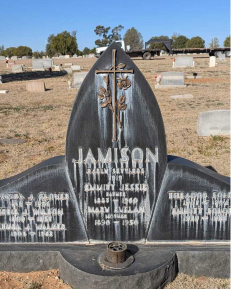
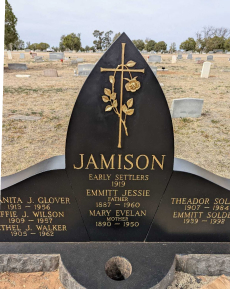
Commercial freight trucks choke the Interstate 78 and Garden State Parkway interchanges. Idling engines generate dense diesel exhaust. Airborne tire particulate mixes with the hydrocarbon smoke. This industrial pollution settles across local burial plots. Atmospheric moisture traps the carbon layer against polished granite monuments. Solar heat bakes the grime into a sticky film. Environmental dust adheres to the oily residue. Standard water hoses fail against this thick road residue. Wire brushes scratch the underlying granite polish. Property owners require professional intervention. We execute headstone cleaning Irvington. Field technicians apply commercial alkaline degreasers. The chemical breaks the dense hydrocarbon bond. The road film detaches from the stone matrix. Low-pressure hoses flush the loosened sludge. The original stone polish emerges. The chemical extraction prevents irreversible surface abrasion.

Clay Washouts and Foundation Elevation
The regional soil profile features dense red clay. This heavy dirt holds extreme water volume. Heavy rain transforms the topsoil into a saturated sponge. The wet ground loses load-bearing capacity. Massive granite monuments compress the soft earth. Upright stones sink straight down. Base blocks disappear beneath the grass line. The uneven settling tilts tall monuments off center. Flat markers drop into the deep mud. We manage cemetery monument foundation lifting. Mechanical gantries extract the leaning stones. Field crews excavate the unstable clay below the local frost line. Technicians pour angular crushed rock into the void. The heavy gravel locks together. This rock pad establishes a rigid structural footprint. The gravel forces rapid subterranean water drainage. The dry ground resists future settling. We reset the granite base flush and level. We eliminate the physical safety hazard. We secure the permanent footprint.

Red Clay Stain Extraction and Poultice Application
Severe rainstorms splash wet red clay against the monument bases. The porous granite absorbs the dirty water. The surface moisture evaporates. The microscopic iron particles remain trapped inside the rock. This natural process creates a dark rusty band around the bottom of the stone. Surface washing ignores the internal iron deposits. Field crews apply specialized clay poultices. The thick paste covers the red stains. The active ingredients draw the iron oxide out of the pores through capillary action. The paste dries over several days. Technicians peel the dry material away. The iron stain detaches from the stone. The uniform granite color returns.
Acid Rain Degradation and Marble Consolidation
Decades of industrial emissions fill the local atmosphere with chemical pollutants. The industrial smog falls across Essex County as acidic precipitation. The acid rain attacks antique marble and limestone monuments. The chemical reaction dissolves the natural calcium binders. The smooth stone surface degrades into loose sand. The intricate carving details erode away. The historic masonry loses structural integrity. Field crews deploy specialized neutralizing liquids. The formula pulls the trapped acid out of the porous stone. The neutralization halts the active chemical burn. Technicians apply liquid stone consolidants. The consolidant soaks into the interior marble matrix. The chemical deposits new silica binders. The internal structure hardens. We preserve the remaining structural mass.
Urban Vines and Structural Masonry Repair
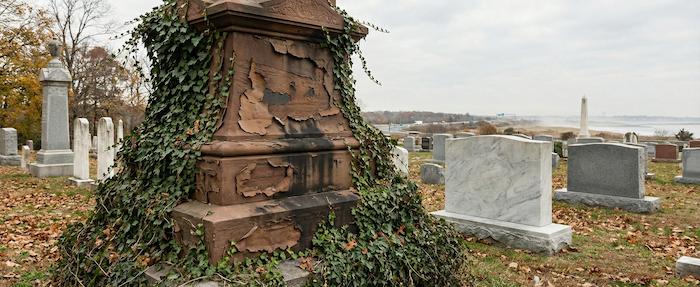
Historic walled cemeteries face aggressive ivy growth. Invasive vines drive micro-rootlets into masonry joints. The plant expansion pushes the stone blocks apart. Tall obelisks shift off center. Yanking active vines rips the historic mortar out. Technicians sever the main stems at the soil line. The isolated plant starves. The rootlets turn brittle. The dead vines detach from the rock face. Field crews clear the organic debris. We excavate the underground root ball. We perform detailed cemetery plot maintenance. Technicians repoint the damaged mortar seams. We inject structural stone epoxy into the open cracks. The resin locks the blocks together. We execute delicate tombstone repair and restoration.
Bronze Oxidation and Granite Stain Extraction
Industrial air pollution attacks bare bronze plaques. Humid ambient air accelerates severe metal degradation. Atmospheric pollution eats through the original protective lacquer. The exposed copper alloy oxidizes. Thick green corrosion buries the engraved names. Acidic rain washes the green copper runoff onto the adjacent granite. The runoff stains the porous rock. We execute bronze memorial refinishing. Chemical strippers dissolve the green corrosion. Heavy abrasive blocks cut the raised letters down to the bare metal. Specialized torches heat the plaque. Technicians melt solid wax into the open metal pores. The thick wax barrier blocks ambient moisture. Field crews apply chemical neutralizers to the stained granite. The liquid extracts the copper runoff.
Ice Expansion and Inscription Repainting
Winter storms deliver freezing rain. The water fills the shallow carved names. The trapped liquid freezes solid overnight. The expanding ice shatters the factory paint. The pigment flakes drop out of the grooves. The text fades into the bare granite. We manage faded inscriptions via headstone lettering repair. Technicians scrape the empty channels with steel picks. We inject industrial lithichrome enamel. The heavy paint resists urban pollution and freeze cycles. The original factory contrast returns.
"A spectacular service, good customer service and the work was done before the indicated time, 100% recommended"
— Bianka vargas, New Jersey
Mower Damage and Granite Beveling
Crowded municipal plots leave narrow margins for commercial landscaping equipment. Heavy mower decks strike the sunken granite bases. The steel blades chip the polished corners. Rubber tires leave black skid marks across flat markers. We correct the mechanical damage. Industrial diamond pads grind the broken edges flat. The abrasive pads smooth the damaged granite. The structural beveling prevents progressive crumbling. Chemical solvents melt the rubber tire marks. The friction marks vanish.
Logistics and Service Verification
Irvington logistics demand precise operational planning. Poultice applications require multiple cemetery visits. Rebuilding foundations involves heavy gravel transport across wet clay soil. Narrow historic cemetery roads complicate equipment access. Our mobile units carry dedicated water supplies. We handle all cemetery compliance paperwork. Clients receive a flat rate upfront. You track the project progress remotely. Field crews upload the final timestamped verification photo via our mobile and web app. The digital platform stores the service records.
- Highway Soot Degreasing: Alkaline chemicals break down sticky diesel tar from I-78 traffic.
- Clay Stain Extraction: Chemical poultices draw red iron oxide out of granite pores.
- Clay Leveling: Crushed rock foundations stabilize stones sinking in wet Essex County soil.
- Marble Consolidation: Liquid consolidants harden antique stone burned by industrial acid rain.