Glacial Lake Iroquois Subsidence
Geology: Extinct Glacial Lake Iroquois floor. Matrix: Varved clay and silt. Cohesion: Low.
High water table liquefies the sub-grade. Monuments sink vertically. Tipping is common. Adding topsoil is a mistake; it increases the dead load on soft soil. For permanent tombstone repair and restoration, we stabilize the sub-grade. We excavate the silt. We install friction piles of angular gravel. This isolates the foundation.
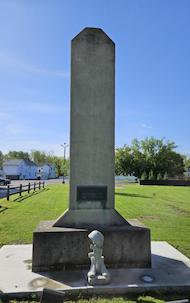
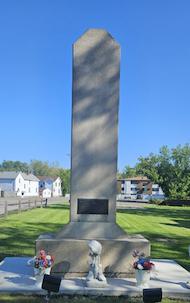
"I inquired about having my grandparents headstones cleaned since it had been at least forty years since they passed. The man who answered my call was very patient with me and walked me through the process. They completed the cleanings much quicker than I expected and was told. The headstones are once again shining and clean! He responded quickly when I reached out regarding the flowers we left there including a picture for us, of them. I would definitely go to them again."
— Charisa Chalfa, Rochester, New York
Agricultural Ammonia Deposition
Context: Central NY Dairy Belt. Source: Livestock ammonia emissions. Deposition: Continuous.
Reaction: Ammonia combines with atmospheric sulfur. Product: Ammonium Sulfate salts. Properties: Hygroscopic. Result: Moisture migration into granite pores. Crystallization pressure fractures the matrix. We use specialized grave site cleaning services. Clay poultices extract the ammonia salts via capillary action.
Oneida Lake Thermal Fog
Source: Oneida Lake (Shallow/Warm). Condition: Dense microclimate fog. Saturation: High.
Granite absorbs moisture. Freeze event: 20°F. Phase change: Liquid to Ice. Volume expansion: 9%. Hydraulic pressure: 2,500 PSI. Failure mode: Spalling (Face shear). Searching for headstone cleaning services near me typically leads to pressure washing. That forces water deeper. We use hydrophobic sealers to block liquid entry.
Hard Groundwater Mineralization
Bedrock: Limestone. Groundwater: High Calcium/Magnesium content.
Mechanism: Capillary rise. Evaporation point: Stone surface. Residue: Calcium Carbonate scale (Efflorescence). Bond: Mechanical and chemical. Acid cleaning is destructive. We use neutral chelating agents (EDTA). These bind the mineral ions in suspension. We rinse the scale away.

Route 5 Road Salt Aerosol
Corridor: NY State Route 5. Winter Protocol: Rock salt and brine. Drift: Roadside contamination.

Brine penetrates pores. Evaporation leaves chloride crystals. Growth pressure ("Sub-florescence") crumbles the surface. We use desalination poultices. These clay packs absorb the chloride ions. We flush with distilled water.