Latin Phrases and Epitaphs on Headstones: What They Mean
Tending's short answer: the Latin on old headstones is mostly short, standard phrases. R.I.P. stands for requiescat in pace, Latin for “may he or she rest in peace.” Hic jacet means “here lies,” and abbreviations such as aet. (aged) and ob. (died) record age and death. If painted lettering has faded, a professional restoration can make it readable again.
What Does R.I.P. Actually Stand For?
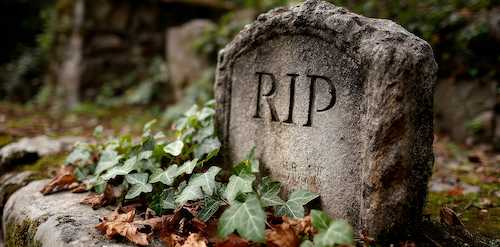
R.I.P. stands for the Latin requiescat in pace, which means “may he rest in peace” or “may she rest in peace.” For more than one person the form is requiescant in pace, “may they rest in peace.” It is used especially at funerals and on memorials to wish peace to the person who has died, and it was widespread on gravestones by the 1800s. On a stone you may see it in full Latin, abbreviated as R.I.P., or in English as “Rest in Peace.”
Common Latin Phrases on Headstones
These five Latin phrases appear on gravestones, with their usual translations.
| Phrase | Meaning | Where you may see it |
|---|---|---|
| Requiescat in pace (R.I.P.) | may he or she rest in peace | On headstones and memorials; widespread by the 1800s |
| Hic jacet | here lies | At the start of an epitaph, before the name; the longer form is hic jacet sepultus, “here lies buried” |
| In memoriam | in memory of | On memorials and dedications |
| Memento mori | remember that you must die | As a reminder of mortality, often a carved skull; Puritan tombstones in colonial America often show winged skulls |
| Dum tacet clamat | though silent, he speaks | Woodmen of the World tree-stump stones, spelled Clamat or Clamet; see Woodmen of the World tree stones |
Christian monograms such as IHS and INRI are explained in the meaning behind headstone symbols.
Latin Abbreviations on Old Gravestones
Old stones sometimes shorten Latin formulas to a few letters. Genealogy glossaries such as the FamilySearch Wiki and PCGenWeb list the common ones.
| Abbreviation | Latin | Meaning |
|---|---|---|
| aet., aetat. | aetatis | of age, aged |
| ob. | obiit | he or she died |
| a.a.s. | anno aetatis suae | in the year of his or her age |
| H.J.S. | hic jacet sepultus | here lies buried |
| A.D. | anno Domini | in the year of our Lord |
The ages and dates these abbreviations record are useful clues, so see researching family history from a headstone, and if you are still looking for the grave itself, finding a lost family grave.
More Latin Epitaphs and What They Say
Glossaries of Latin found on gravestones also list longer epitaph phrases. Here are a few, with their translations.
| Phrase | Meaning |
|---|---|
| Sit tibi terra levis | may the earth be light upon you |
| Siste viator | stop, traveller |
| Hodie mihi, cras tibi | today to me, tomorrow to you |
| Vixit | he or she has lived |
| Fugit hora | hours are fleeting, time flies |
| Resurgam | I will rise again |
How to Read a Worn Inscription
If a phrase is too worn to read, change the light instead of touching the stone. The National Park Service's conservation center suggests raking light, a mirror or reflector that bounces sunlight across the face, or misting the stone with clean water from a spray bottle, and it does not advocate shaving cream. If the letters were originally filled with paint and have faded, see our guide to restoring faded headstone lettering.

Frequently asked questions
What does R.I.P. stand for on a headstone?
R.I.P. stands for the Latin requiescat in pace, which means “may he or she rest in peace.” That is the Latin for “rest in peace.” The phrase was widespread on gravestones by the 1800s.
What does “hic jacet” mean?
Hic jacet is Latin for “here lies.” Hic means “here” and jacet means “it lies,” and the phrase is sometimes spelled hic iacet. On older stones you may also see the longer form hic jacet sepultus, “here lies buried.”
What does “Dum Tacet Clamat” mean?
It means “though silent, he speaks.” It was the motto of Woodmen of the World, a fraternal benefit society founded in 1890, and members' tree-stump headstones often carry it, spelled Clamat or Clamet.
What do “aet.” and “ob.” mean on an old gravestone?
Aet. is short for aetatis, “of age” or “aged,” so the number after it is the person's age. Ob. is short for obiit, “he or she died.”
What does “memento mori” mean?
Memento mori is Latin for “remember that you must die.” It names a reminder of mortality, such as a carved skull, and Puritan tombstones in colonial America often show winged skulls.
Where does R.I.P. come from?
It is the abbreviation of the Latin requiescat in pace, a Christian wish for the dead. Similar formulas, such as dormit in pace, “he sleeps in peace,” appear on early Christian tombs, and R.I.P. is still carved on gravestones, especially in Catholic, Lutheran, and Anglican traditions.
Do Catholics say “requiescat in pace”?
Yes. It is used in traditional Christian services and prayers, including Catholic, Lutheran, Anglican, and Methodist ones, and it appears several times in the Tridentine Requiem Mass of the Catholic Church.
What do they say in Latin on a tombstone?
Latin on gravestones is mostly short formulas: a wish for rest (requiescat in pace), a marker of the grave (hic jacet, “here lies”), age and death (aet., obiit), and dates (anno Domini). Glossaries such as PCGenWeb and the FamilySearch Wiki list more of them.
What are some Latin epitaphs?
Glossaries of gravestone Latin list sit tibi terra levis, “may the earth be light upon you,” siste viator, “stop, traveller,” hodie mihi, cras tibi, “today to me, tomorrow to you,” and resurgam, “I will rise again.”
What can I do if an inscription is too worn to read?
Avoid scrubbing, pressure washing, or household chemicals, which can damage the stone. Read it with raking light or a mirror instead. If painted lettering has faded for good, a professional can clean the stone safely and restore the lettering, and Tending does this in all 50 states.