The Dairy Dust Glaze
The air here is heavy. You can feel it. Visalia sits in the heart of dairy country. The dust from the dairies and orchards isn't just dry dirt; it is oily. It contains organic particulate and plant lipids. It lands on headstones and forms a sticky layer.
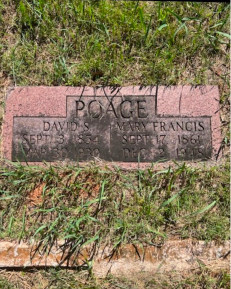
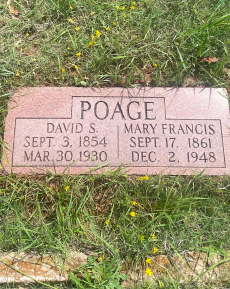
"We were considering replacing the grave marker when I stumbled across tending on Facebook. After a little research I decided to give it a try. There was some back and forth which I was happy to comply as they made contact with the property to make sure they did it with permissions in place. Here is before and after. We live a distance but I am planning to try to see it in person and hope it looks like the picture. We have a family plot next to it that’s much older that looks amazing. Now I won’t be as sad looking at it. We started with a one time service but are discussing more frequent upkeep in the future."
— Elisabeth Buchanan, Los Angeles, California
The sun acts like a kiln. It cooks this grime until it turns into a hard, brown varnish. You can't rinse this off. It smears. It creates a waterproof seal that traps heat inside the stone. Tending uses industrial grave site cleaning services with degreasers to cut through this organic grease.
This bio-film is stubborn. It bonds to the polished surface of granite. If you use a standard brush, you just push the oil around. It requires a chemical breakdown. We apply a foaming surfactant that clings to the vertical face of the monument. It eats into the agricultural glaze. We lift the residue out of the pores and rinse it away. We strip the film to get down to the clean stone without ruining the polish.
Heat Rot on Marble
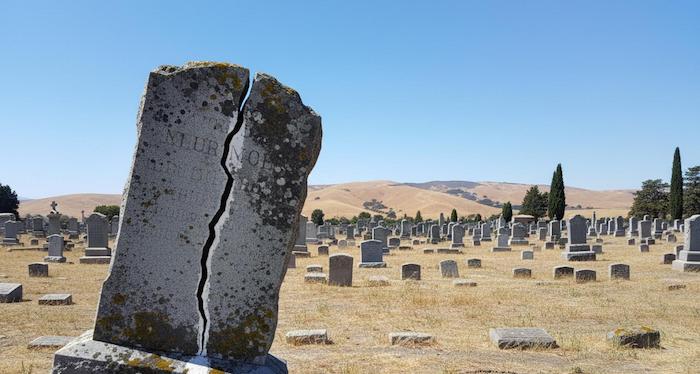
The Valley heat doesn't let up. In July and August, stone markers stay hot long after sunset. This constant baking destroys the binders in old marble. The stone literally dries out. The surface turns to powder. It flakes off when you touch it. We call this "sugaring."
If you see a marker that looks rough or "dusty," that is the heat winning. If you are searching for headstone cleaning services near me to fix a crumbling stone, you need consolidation, not just cleaning. Scrubbing sugary marble destroys the inscription.
We stop the decay. We apply a liquid consolidant that soaks deep into the stone matrix. It soaks in and hardens. It turns the loose powder back into solid stone. We stop the crumbling so you can read the name again.
Tule Fog Mold
Winter fog here is thick. It hangs on the ground for weeks. It traps moisture against the stone. This creates a breeding ground for green moss and black lichen deep in the engraved letters.
It eats the stone. Lichen secretes acids that dig pits into the granite. We use professional cleaning stone gravestones biocides. We kill the roots.

Scraping the moss off isn't enough. The roots stay inside the rock and grow back in a month. Our process creates a sterile environment. We flush the dead organic matter out of the carving. This restores the sharp contrast of the letteringand prevents regrowth during the damp season.
Hard Water Scale
Irrigation is life in the Valley. But the water is hard. Sprinklers hit the hot stone. The water boils off immediately. It leaves a hard white mineral crust behind. It buries the inscription.
This builds a white, concrete-like crust over the memorial. You can't chip it off without chipping the stone. We use a chemical descaler. It melts the mineral bond safely. We wash away the white haze to reveal the dark, polished granite underneath.