
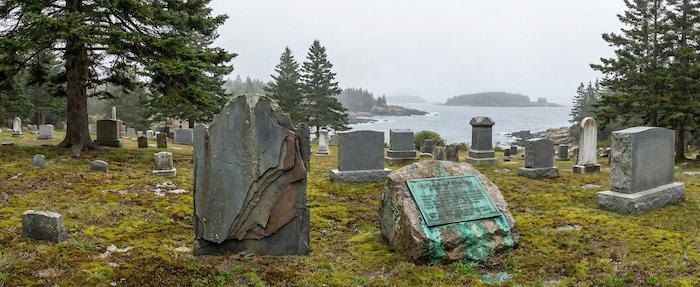
Professional gravestone cleaning services in Bath, ME

Headstone Cleaning & Grave Care in Bath, ME

Professional headstone restoration in Bath. We extract shipyard steel slag, install vibration-dampened micropiles, and dissolve marine anti-fouling paint drift.

Rated 4.5 out of 5 by verified customers on Trustpilot

Ferrous Particulate Oxidation and Seismic Soil Liquefaction

Bath masonry grids occupy tidal mudflats adjacent to the Kennebec River. Proximity to naval shipbuilding infrastructure subjects the burial plots to industrial overspray and metallic dust. Clients requesting headstone cleaning services near me discover granite blocks stained by ferrous oxidation or sinking under industrial vibrational subsidence. Tending operates solely as a commercial headstone restoration company. Field crews execute citric acid passivation to extract embedded iron and install vibration-dampened micropiles to arrest foundation failure.

Shipyard Steel Slag and Citric Passivation

Shipyard abrasive blasting and welding operations eject metallic particulate into the atmosphere. High-velocity river winds transport this ferrous dust across the cemetery tracts. The microscopic steel shards embed directly into the porous granite matrices. These raw iron deposits undergo rapid oxidation upon contact with ambient humidity. Ferrous oxide bleeds into the stone matrix, staining the granite deeply.

Technicians apply high-viscosity citric acid passivation gels. The chelating agent isolates the ferrous ions exclusively. The solid rust converts into a water-soluble complex. Crews flush the extracted iron using continuous low-flow nozzles. The process restores bare granite without inducing chemical etching.

"Great job! Thanks!"

β€” Amy Blue, Tending Client

Vibrational Subsidence and Elastomeric Micropiling

Kennebec River tidal mud forms the local sub-grade. Industrial operations transmit low-frequency seismic waves through the soil. The kinetic energy triggers soil liquefaction. Monument footings lose load-bearing capacity. Granite bases tilt severely under the asymmetrical load. Conventional gravel bases fail under sustained industrial vibration.

Structural stabilization and leaning headstone repair require engineered bypassing. Workers extract the sunken granite entirely. We drive helical steel micropiles deep into the mudflat utilizing hydraulic torque heads. The shafts lock into dense bedrock. Technicians install elastomeric neoprene dampeners over the pile caps. The monument base mounts directly to this isolated platform. The neoprene absorbs mechanical vibrations, preventing future masonry subsidence.

Marine Anti-Fouling Paint Drift

Drydock operations utilize vaporized marine anti-fouling paints containing cuprous oxide. The chemical drift settles over historic marble and granite tablets. Solar exposure catalyzes the overspray, forming a waterproof synthetic shell. The synthetic paint repels standard commercial detergents.

Field units apply N-Methyl-2-pyrrolidone (NMP) chemical strippers. The solvent chemically breaks the synthetic polymer bonds. The rigid casing blisters and separates from the stone. Workers clear the chemical waste utilizing plastic masonry trowels. The factory engraving emerges completely intact.

Zinc Carbonate Galvanic Crusts

Naval shipbuilding utilizes sacrificial zinc anodes. Airborne zinc particulate blankets the burial grounds. Moisture converts this raw zinc into a rigid zinc carbonate scale. The resulting alkaline crust bonds firmly to the granite. Standard descaling agents fail to break the mineral adhesion.

Field units trowel acetic acid immersion poultices directly over the zinc scale. The low-pH organic acid dissolves the carbonate bonds. The rigid white crust softens into a removable paste. Crews rinse the deactivated mineral waste away, leaving the quartz polish undamaged.

Brackish Epilithic Algae Eradication

The Kennebec River mixing zone creates highly brackish atmospheric humidity. This saline moisture supports dense epilithic algae colonies on shaded north-facing panels. The organism secretes localized organic acids to anchor its root structure. The acidic waste physically micro-etches the polished granite face.

We execute biological eradication protocols. Workers apply concentrated dialkyl quaternary ammonium chlorides. The chemical agent causes immediate cellular lysis. The biological colony perishes. Subsequent rainfall naturally detaches the deactivated mass.

Naval Bronze Sulfidation

Bath cemeteries feature high concentrations of flat bronze naval markers. Shipyard diesel exhaust deposits sulfur dioxide across the site. The acidic moisture strips factory clear coats. The exposed copper alloy undergoes sulfidation, forming a black copper sulfide tarnish. Severe pitting destroys the relief lettering.

Tending professional safely cleaning a granite monument in compliance with cemetery rules.

Field crews implement onsite bronze marker restoration. Technicians mill the black sulfide tarnish bare utilizing brass rotary instruments. We apply a ferric chloride patina matching solution to restore the original dark background. Workers seal the heated plaque utilizing micro-crystalline wax matrices. The dense wax hardens into an impenetrable shield, isolating the metal from industrial sulfur.

Lithichrome Pigment Abrasion

Wind-driven metallic grit mechanically abrades the factory lithichrome paint inside engraved text. The pigment fractures and drops out of the channels. Legibility vanishes. Field teams execute precise headstone lettering restoration.

Workers clear the exfoliated paint debris utilizing angled surgical steel instruments. We eliminate residual channel moisture using thermal air currents. Crews inject silane-modified acrylic dyes directly into the dry engravings. A rubber block levels the exterior surface. The high-density acrylic cures rapidly, resisting future metallic abrasion.

Digital Task Commissioning

We reject mandatory site inspections and subjective pricing models. Memorial preservation requires standardized fiscal parameters linked exactly to stone dimensions. Patrons secure guaranteed flat-rate pricing via our online configurator. Digital task commissioning dispatches our mobile masonry units directly to the designated Bath coordinates. Field operators upload time-stamped visual confirmation to the client dashboard immediately following task completion.

  • Ferrous Passivation: Applying citric acid gels to extract embedded shipyard steel slag and rust.
  • Vibration Dampening: Installing helical micropiles with elastomeric caps to counter industrial subsidence.
  • Polymer Stripping: Deploying NMP compounds to blister and remove marine anti-fouling paint drift.
  • Zinc Descaling: Utilizing acetic acid poultices to dissolve white zinc carbonate crusts.

Cemetery Stone Cleaning Services in Bath Cemeteries

We provide respectful, specialized care, including cleaning granite gravestones, at every location in Bath including Oak Grove Cemetery, Calvary Cemetery, Dummer Street Cemetery, Maple Grove Cemetery, Grover Cemetery, Riverside Cemetery, Morningside Cemetery, First Parish Cemetery, Berry Cemetery, Highland Cemetery.

  • Oak Grove Cemetery 244 Bath Rd, Bath, ME 04530 A sprawling historic cemetery. Low-frequency seismic waves from the shipyard trigger soil liquefaction in the tidal mud. Heavy monuments sink. Field units drive helical steel micropiles equipped with elastomeric dampeners to isolate the bases from subterranean vibrations.
  • Calvary Cemetery High St, Bath, ME 04530 Prominent Catholic burial ground. Airborne metallic particulate from naval grinding operations embeds into the granite polish. The iron oxidizes. Technicians apply citric acid passivation gels to convert the solid rust into a water-soluble complex.
  • Dummer Street Cemetery Dummer St, Bath, ME 04530 Historic 18th-century plot. Drydock anti-fouling overspray coats the historic marble markers. We apply N-Methyl-2-pyrrolidone (NMP) chemical strippers to break the synthetic polymer bonds and separate the synthetic casing.
  • Maple Grove Cemetery Bath, ME 04530 Local neighborhood cemetery. Airborne zinc particulate converts into a rigid zinc carbonate scale over the monuments. Crews trowel acetic acid immersion poultices directly over the scale to dissolve the carbonate bonds.
  • Grover Cemetery Woolwich, ME 04579 Located across the river in Woolwich. Highly brackish atmospheric humidity supports dense epilithic algae colonies. We saturate the biological mats with concentrated dialkyl quaternary ammonium chlorides to induce immediate cellular lysis.
  • Riverside Cemetery Woolwich, ME 04579 Serving the adjacent Woolwich community. Shipyard diesel emissions strip factory clear coats on bronze naval markers, converting the alloy into black copper sulfide. Workers mill the metal bare and seal it utilizing micro-crystalline wax matrices.
  • Morningside Cemetery Phippsburg, ME 04562 Positioned south in Phippsburg. Wind-driven metallic grit continuously abrades factory lithichrome paint. Technicians clear the fragmented pigment and inject silane-modified acrylic dyes to resist future mechanical friction.
  • First Parish Cemetery Georgetown, ME 04548 Historic site in Georgetown. Rainwater floods horizontal mortar joints. Atmospheric freezing expands the trapped liquid, pulverizing the binder. We hoist the blocks and insert fluted stainless steel alignment pins.
  • Berry Cemetery West Bath, ME 04530 Rural graveyard setting. Heavy clay holds surface water. Flush flat markers sink beneath the turf. We extract the granite slabs and install structural drainage grids to elevate the masonry above the mud line.
  • Highland Cemetery Edgecomb, ME 04556 Located east in Edgecomb. Severe cold opens micro-fissures in rough-cut granite bases. Technicians inject heated, low-viscosity structural epoxy directly into the hairline cracks to block internal ice expansion.
Cemetery monument requiring restoration in Bath

Learn About Our Care Methods

We use safe, cemetery-approved techniques for every monument. Read more about our process:

Witness the Transformation: Before & After

The Stuck Headstone Mystery

Watch How We Work
The Stuck Headstone Mystery
One-time full restoration and cleaning for a slant monument in Texas | Before and After
Tending - Grave Care Services

What Families Are Saying in Texas

One-time full restoration and cleaning for a slant monument

β€” fall 2025, Texas

See Before & After Photos

Tending Grave Care

Grave Care Services Near Bath

Our team also provides professional headstone cleaning and lettering restoration in these surrounding Maine areas:

Expert Care Features for Bath Cemeteries

  • Complete Grave Marker Care illustration Complete Grave Marker Care Whether it is marble, granite, or bronze, we remove environmental staining and organic debris. We also check and seal any small cracks to prevent water damage.
  • Inscription Enhancement illustration Inscription Enhancement Faded names are carefully brought back to life. We use specialized lithichrome paint to make the dates and epitaphs legible again.
  • Grave Site Tending illustration Grave Site Tending Regular inspections prevent long-term damage. We keep the site tidy, clear away overgrowth, and watch for any signs of sinking or shifting.
  • Photo & Condition Reports illustration Photo & Condition Reports After each visit, you receive a detailed photo and report so you can see the results β€” no matter where you are.
  • Personal Support Agent illustration Personal Support Agent You get a direct line to a real person. Your manager coordinates the local crew, answers your questions, and manages special dates.
  • Secure & Insured Service illustration Secure & Insured Service We take responsibility. All our operations are backed by a robust insurance policy to protect the property and the monument.
See the full list of services and restoration methods

Questions on Headstone Cleaning and Restoration in Bath

Why is the granite covered in deep orange rust stains?
Shipyard abrasive blasting ejects metallic particulate. The iron embeds in the porous rock and oxidizes. We apply high-viscosity citric acid passivation gels to isolate the ferrous ions and extract the rust without chemically etching the stone.
How do you permanently repair a monument sinking into the river mud?
Low-frequency seismic waves from shipyard machinery trigger soil liquefaction. We extract the masonry and drive helical steel micropiles deep into the bedrock, installing elastomeric neoprene dampeners on the caps to isolate the base.
There is a hard red coating over the historic marble. Can it be cleaned?
Drydock anti-fouling overspray coats the stone. Technicians apply N-Methyl-2-pyrrolidone (NMP) chemical strippers to break the synthetic polymer bonds and separate the casing from the fragile historic masonry.
What is the white, chalky scale covering the polished stone?
Airborne zinc particulate converts into a rigid zinc carbonate scale. Field units trowel acetic acid poultices directly over the crust to dissolve the carbonate bonds safely without scratching the quartz polish.
The bronze naval marker turned entirely black. Can it be restored?
Shipyard diesel emissions convert the exposed copper alloy into dark copper sulfide. Field crews mill the tarnish bare using brass rotary instruments, apply a ferric chloride patina, and seal the plaque utilizing micro-crystalline wax matrices.
The black paint inside the engraved names chipped away completely.
Wind-driven metallic grit mechanically abrades the factory enamel. Workers clear the exfoliated paint debris, desiccate the channels with thermal air, and inject high-density silane-modified acrylic dyes to restore the text.
Are industrial power washers permitted for removing the steel rust?
High-PSI water streams cause catastrophic masonry failure. The equipment forces liquid deep into natural micro-cracks. Approaching cold fronts freeze this trapped moisture, expanding the ice and fracturing the granite blocks.
Will pouring a thicker concrete foundation stop the stone from sinking?
A rigid concrete pad will simply tilt alongside the monument when the mud liquefies from industrial vibration. Permanent stabilization in Bath requires bypassing the mud layer entirely utilizing engineered helical micropiles.
Do your field teams execute restoration work across Bath and Woolwich?
Yes. Our commercial masonry units conduct structural piling and chemical extraction protocols across Bath, Woolwich, Phippsburg, West Bath, Georgetown, and the greater Sagadahoc County sector.
How do we authorize foundation repair operations at Oak Grove Cemetery?
We eliminated analog site visits. Input the precise dimensional measurements of your monument at pay.tending.app. The digital framework generates a guaranteed fixed price instantly and routes the task to our mobile crews.
How much does grave care cost in Bath?
Pricing depends on the monument size and condition. You can check the exact price for any plot in Bath instantly using our online configuration tool or by downloading the Tending App.

Schedule Headstone Cleaning in Bath, ME

Preserve their memory with dignified, professional care. Whether you need one-time cemetery stone cleaning or seasonal maintenance, setup takes just minutes. You'll always know exactly what you pay and see the actual results through our photo-proof reports.

Find My Plot & See Price
  • πŸ‘‰ Easy Online Setup
  • πŸ† Cemetery Approved
  • πŸ“Έ Photo Updates
  • πŸ›‘οΈ $2M Liability Insurance