West Texas: Silica Scouring & Thermal Shear
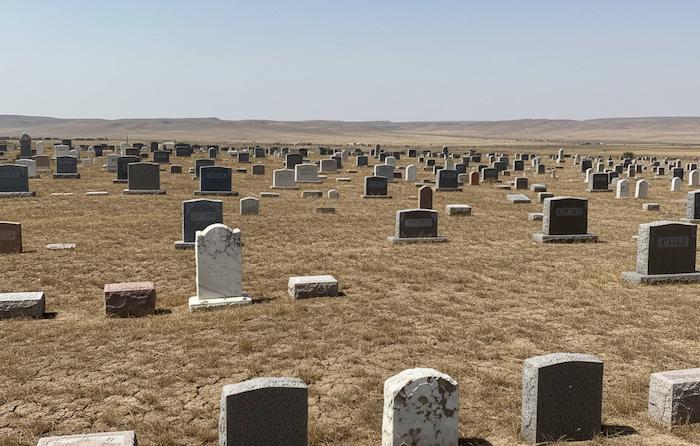
West of I-35, the wind drives sharp silica particulate into the stone. It physically strips the factory polish. It erodes the definition of the lettering.
Solar radiation is the other destroyer. The surface of black granite reaches 160°F while the core remains cool. This temperature differential creates internal shear stress. The surface layer literally delaminates from the block. We use penetrating memorial restoration services to inject stone consolidants. We re-bind the surface matrix and apply UV-blockers to stop the decay.
Gulf Coast: Saturation & Chloride Attack
In Houston, high dew points keep stone permanently saturated. Moisture fills the micropores. This creates a host environment for deep-rooting black algae. The roots excrete acids that etch the stone face.
Coastal salt mist deposits chlorides. On bronze, this triggers rapid oxidation. The metal pits and turns green. We use cleaning bronze cemetery markers protocols to chemically neutralize the chlorides. We strip the corrosion and apply a marine-grade clear coat to seal the metal.
The "Black Gumbo" Hydraulic Lift
Texas "Black Gumbo" clay is structurally unstable. It has massive expansive potential. Rainwater causes the soil volume to increase. It exerts upward hydraulic pressure that snaps unreinforced concrete foundations.
During drought, the soil creates deep desiccation cracks. The ground support vanishes. The monument tilts into the void. Our tombstone repair and restoration teams monitor these seasonal movements. We perform cemetery plot maintenance by installing deep friction piles that bypass the active clay layer to keep the marker level.